Portraiture has long been a cornerstone in the history of art, serving as both a symbol of power and a vehicle for self-expression. Since a picture speaks a thousand words, a portrait can reveal a thousand things—emotions, status, identity, and more.
In ancient times, monarchs and nobles commissioned artists to create portraits that captured not just their likeness, but their authority and influence, immortalizing their power in visual form. Over the centuries, portraiture has evolved from idealized depictions in Ancient Egypt and Rome, to the naturalism and psychological depth of the Renaissance. The Baroque and Rococo periods further pushed the emotive and ornamental aspects, while the 19th century saw the rise of photography, changing the role of painted portraits. In the 20th century, artists like Picasso and Kahlo reshaped the genre, turning portraiture into an exploration of identity and personal experience. Today, contemporary artists use the form to challenge norms around race, gender, and societal roles, offering fresh perspectives on how we construct and represent identity.
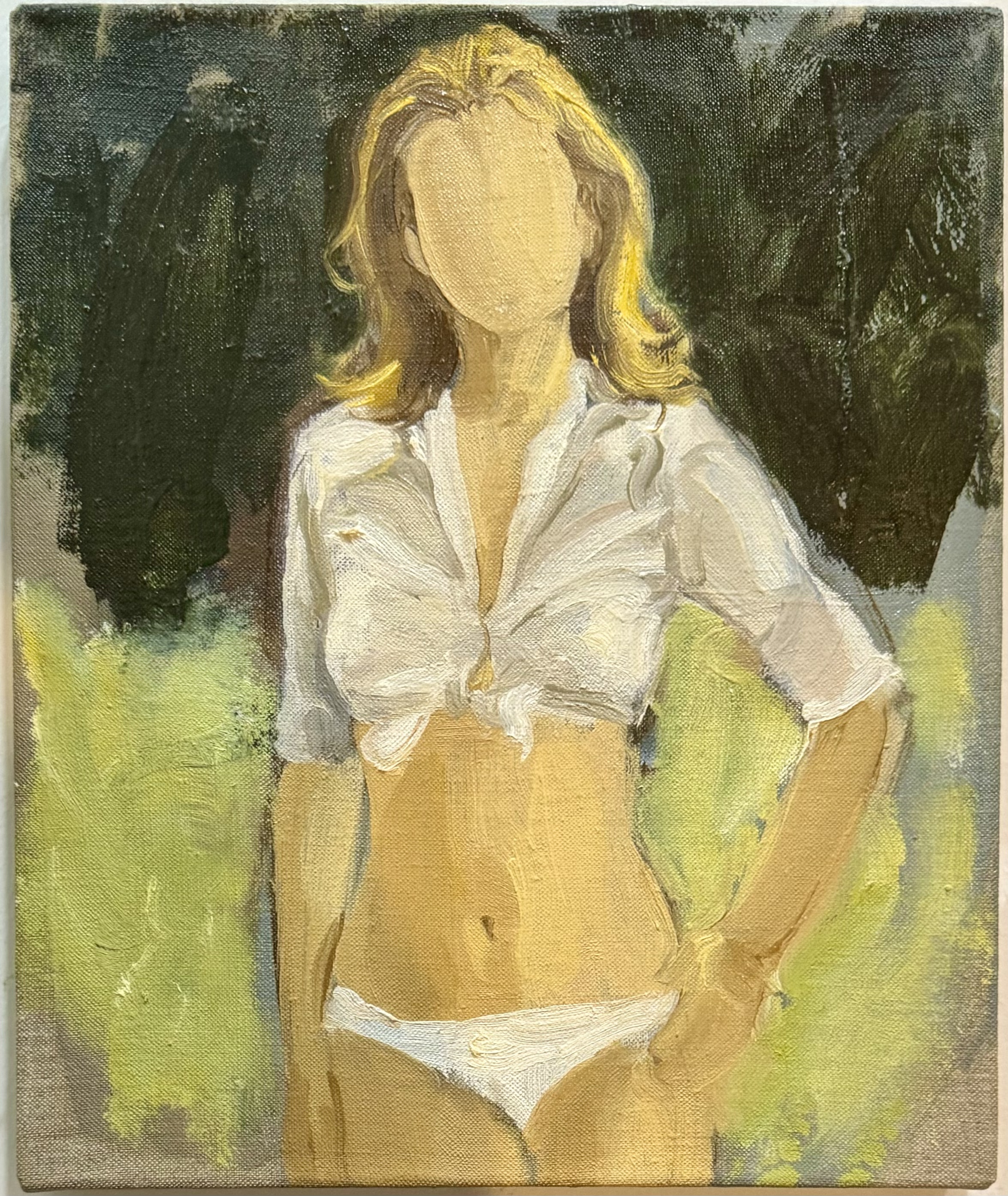
“Do You See My Face?” invites viewers to explore how contemporary artists are pushing the limits of portraiture. They use them as tools for questioning societal expectations and investigating the complexities of selfhood. The works in this exhibition showcase how artists experiment with representation in innovative ways. Portraits of well-known figures are reimagined, while portrayals of women who don’t conform to traditional standards of beauty disrupt conventional ideals. Faceless portraits ask what it means to be recognized, while abstract depictions of the human form challenge whether a recognizable face is necessary for meaning. In contrast, playful, crayon-like works evoke raw, unrefined emotion, suggesting that simplicity can often capture a deeper truth than technical perfection.
The face—whether clearly rendered, hidden, or fragmented—becomes a space to explore visibility and identity. These portraits raise questions about what we reveal and conceal when we present ourselves to the world. What does it mean to be seen? What remains when the face is erased or distorted?